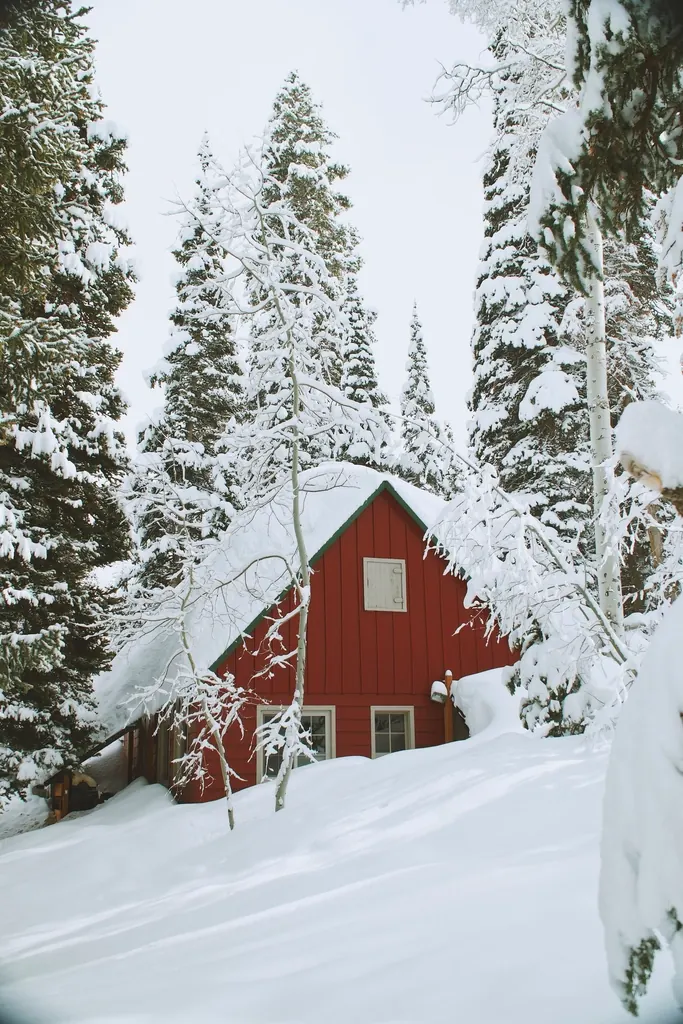
Winter storms with long memories
The October 2013 blizzard, often called Winter Storm Atlas, buried the western part of the state and the northern Black Hills under several feet of heavy snow. An April 2013 ice storm brought down limbs across Sioux Falls. A January 2010 ice storm left parts of north-central South Dakota without power for weeks. Spring blizzards in April 2022 hit the northeast hard. Each of those events produced roof, structure and water claims long after the snow melted.
Common winter damage disputes
- Ice dams that push meltwater under shingles and into ceilings and walls. Carriers sometimes blame maintenance or ventilation.
- Snow-load damage to pole barns, carports, patio covers and low-slope commercial roofs, from sagging to full collapse.
- Ice storm limb strikes on roofs, gutters, siding and vehicles.
- Frozen systems such as pipes, sprinkler lines and boilers in buildings that lost heat during a storm.
- Wind-packed drifts that overload one side of a roof, with damage concentrated on the leeward slope.
How we value winter losses
We trace water from the ice dam to every ceiling, wall and floor it reached, open suspect areas when needed and photograph the interior side of the roof deck. For snow-load claims, we measure deflection and coordinate with an engineer when framing may have failed, so the estimate reflects real structural repair rather than surface patching.
Frequently asked questions
Are ice dams covered?
Damage caused by water backing up from an ice dam is often covered, while the ice dam itself and removal costs may be treated differently. Policy wording matters.
My barn roof collapsed under snow. Is that covered?
Many farm and property policies cover collapse caused by the weight of ice, snow or sleet, but outbuildings may carry separate limits or conditions.
Why does the carrier say my damage is wear and tear?
Winter claims often come with maintenance arguments. Clear documentation of the storm and the damage pattern helps separate sudden damage from long-term deterioration.