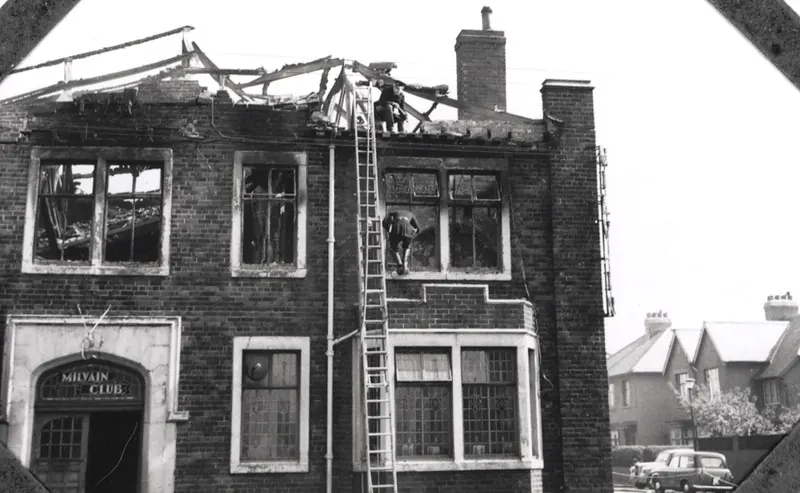
Fire losses are bigger than they look
Flame damage is obvious. Smoke and soot are not. They travel through ductwork, wall cavities, attics and closets, settling on surfaces far from the fire. Heat can warp windows, fixtures and framing in rooms that look untouched. A carrier estimate that focuses on the burned room often leaves the rest of the house underscoped.
Where fire estimates are commonly disputed
- Cleaning versus replacement of cabinets, flooring, trim and contents with lingering odor.
- Smoke sealing and repainting limited to a few rooms when soot traveled through the entire HVAC system.
- Ductwork and HVAC cleaning or replacement after heavy soot.
- Code upgrades triggered by a major rebuild, which may fall under ordinance or law coverage.
- Contents undervalued through heavy depreciation or missing items.
- Additional living expense that runs out before the rebuild is done.
How we approach fire and smoke appraisal
We document smoke patterns room by room, review any cleaning tests and indoor air findings, and scope the rebuild in full. For contents, we help organize an inventory with realistic ages and replacement prices, since depreciation on contents is where many fire settlements lose ground.
Frequently asked questions
How long do I have to inventory my contents?
Policies set deadlines for submitting proof of loss and inventories, and carriers may extend them on request. Ask in writing and keep the response.
The carrier wants to clean items I think should be replaced. Can appraisal decide that?
Whether an item can be restored to its pre-loss condition, and at what cost, is often a valuation question a panel can address.
Do you work with fire restoration contractors?
We review their scope and pricing, but we stay independent. Our valuation is our own.