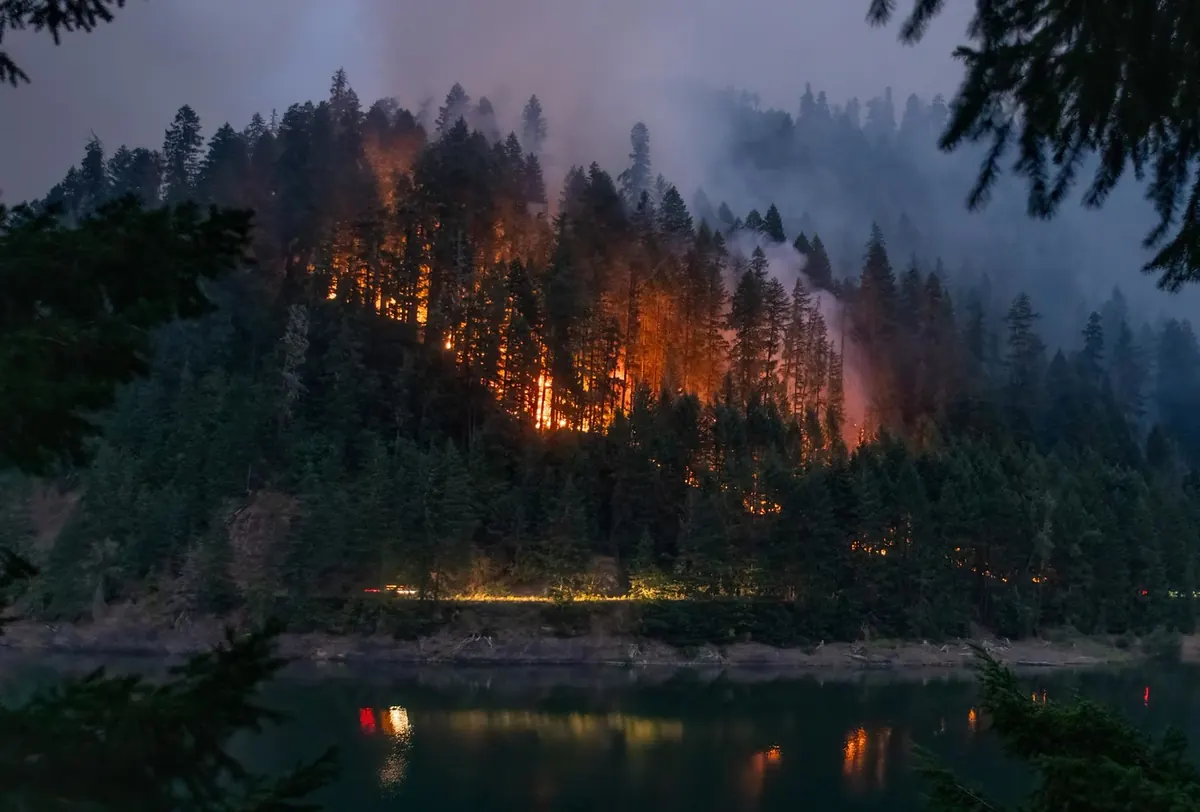
Fires like Jasper, Grizzly Gulch, Legion Lake and Schroeder have shown that wildfire is a real risk across the Black Hills. Many homeowners are lucky enough to be spared the flames but still face smoke, ash and heat damage. These partial losses are where claims are most often underpaid.
First steps
- Return only when authorities say it is safe.
- Report the claim promptly and ask for the claim number in writing.
- Photograph every room, the exterior and the property before cleaning anything.
- Ask the carrier whether it wants to inspect before cleaning or testing begins.
Smoke and ash
- Note odors room by room, including closets, attics and basements.
- Photograph soot on window sills, light fixtures, vents and air filters.
- Keep a used HVAC filter as evidence.
- Ask whether testing was done and request copies of results.
Heat and ember damage
- Check vinyl siding, window frames, skylights and gutters on the side facing the fire for warping or melting.
- Look for ember burns on decks, roofs, outdoor furniture and vents.
- Photograph any cracked or fogged window glass.
Contents
Smoke settles into fabrics, mattresses, upholstery and electronics. Make an inventory with item, age, condition and replacement price. Where the carrier proposes cleaning, ask how it will confirm items are restored to pre-loss condition.
Trees, landscaping and outbuildings
Many policies have separate limits for trees and landscaping, and outbuildings have their own coverage. Document each burned or scorched tree and every damaged shed, fence and garage.
Living expenses
If you cannot live in the home during cleanup or repair, keep every receipt for lodging, meals above your normal costs and mileage. Additional living expense coverage has limits and time frames, so track them.
See our Black Hills wildfire claim appraisal service for more.