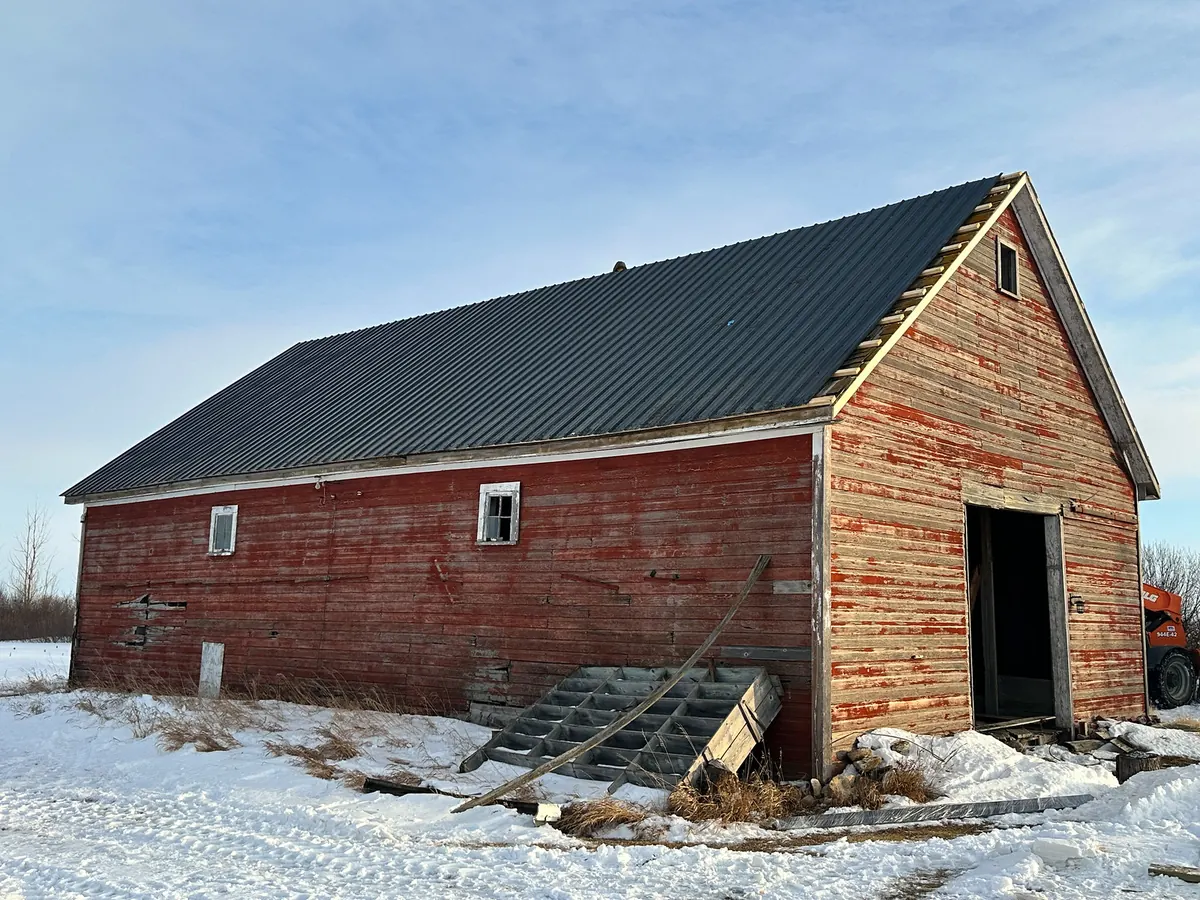
A July hailstorm can damage every steel building on a farmstead in ten minutes. When the claim is settled, some owners discover their payment is lower than the damage because of a clause they never noticed: coinsurance.
How coinsurance works
A coinsurance clause requires you to insure a building for at least a set percentage of its value, often 80% or 90%. If you carry less, the policy may pay only a proportion of the loss. The common formula is the limit you carry divided by the limit you should carry, times the loss, minus the deductible.
Illustrative example: a machine shed would cost $250,000 to replace. With an 80% clause, you need $200,000 of coverage. If you carry $150,000, you have 75% of what is required. On a $60,000 loss with a $2,500 deductible, the payment would be about $42,500 instead of $57,500.
Why farm buildings are vulnerable
- Limits are often set when the building was new and never updated.
- Steel and construction costs have risen sharply in recent years.
- Each building may be scheduled separately with its own limit.
- Some older buildings are covered at actual cash value.
What to do now, before a loss
- Review each scheduled building’s limit with your agent.
- Ask whether coinsurance applies and at what percentage.
- Ask about agreed value options, which can suspend coinsurance.
- Keep photos and measurements of every building on file.
What to do after a loss
If the carrier applies a coinsurance penalty, ask for the valuation it used. The building’s value at the time of loss is part of the calculation, and that figure can be questioned. Appraisal can value the loss, and some policies allow it to address value as well, but it cannot change the limit you carried.
Check your numbers with the coinsurance penalty calculator.