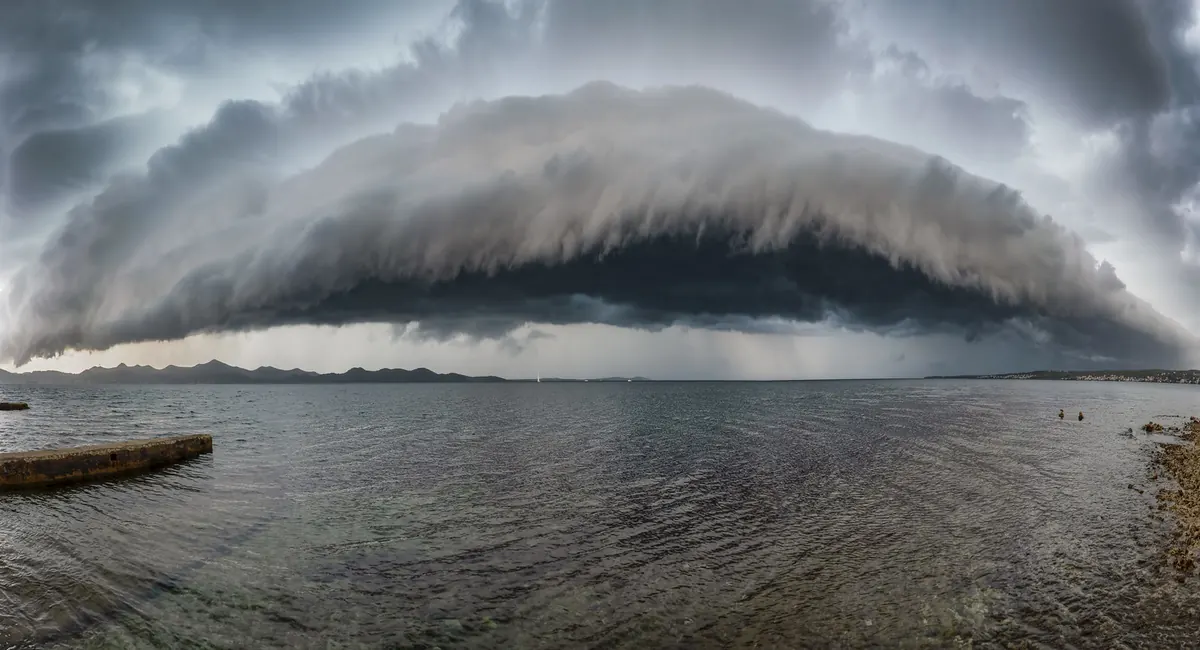
On May 12, 2022, a derecho raced across eastern South Dakota, bringing hurricane-force gusts to towns that rarely see that kind of wind outside a tornado. Many owners learned for the first time that straight-line wind can do as much damage as a twister.
What a derecho is
A derecho is a widespread, long-lived windstorm produced by a fast-moving line of thunderstorms. Unlike a tornado’s narrow, rotating path, derecho winds blow in one general direction over a wide area. Damage can stretch for hundreds of miles.
Does the label matter for insurance?
For most property policies, no. Windstorm is usually a covered peril whether the weather service calls it a derecho, a downburst or a tornado. What matters is the policy wording, your deductible, and how well the damage is documented.
What derecho estimates often miss
- Creased shingles that lifted and fell back in place but lost their seal.
- Siding damage on the windward side, including loose panels and cracks.
- Racked outbuildings whose framing shifted out of square.
- Tree damage and the real cost of removal near structures.
- Interior water from rain driven through wind openings.
Straight-line versus tornado: what the damage shows
Straight-line damage tends to show debris and fallen trees pointing in one direction. Tornado damage often shows debris thrown in several directions and a narrower, more intense path. Neither pattern changes coverage on its own, but understanding it helps an appraiser explain why damage is where it is.
After a big wind event
Report the claim promptly, document every elevation and outbuilding, make temporary repairs and keep receipts. If the carrier’s estimate covers only what is lying on the ground, ask for a closer inspection or a second opinion.
Our wind, tornado and derecho damage appraisal page explains how we value these losses.